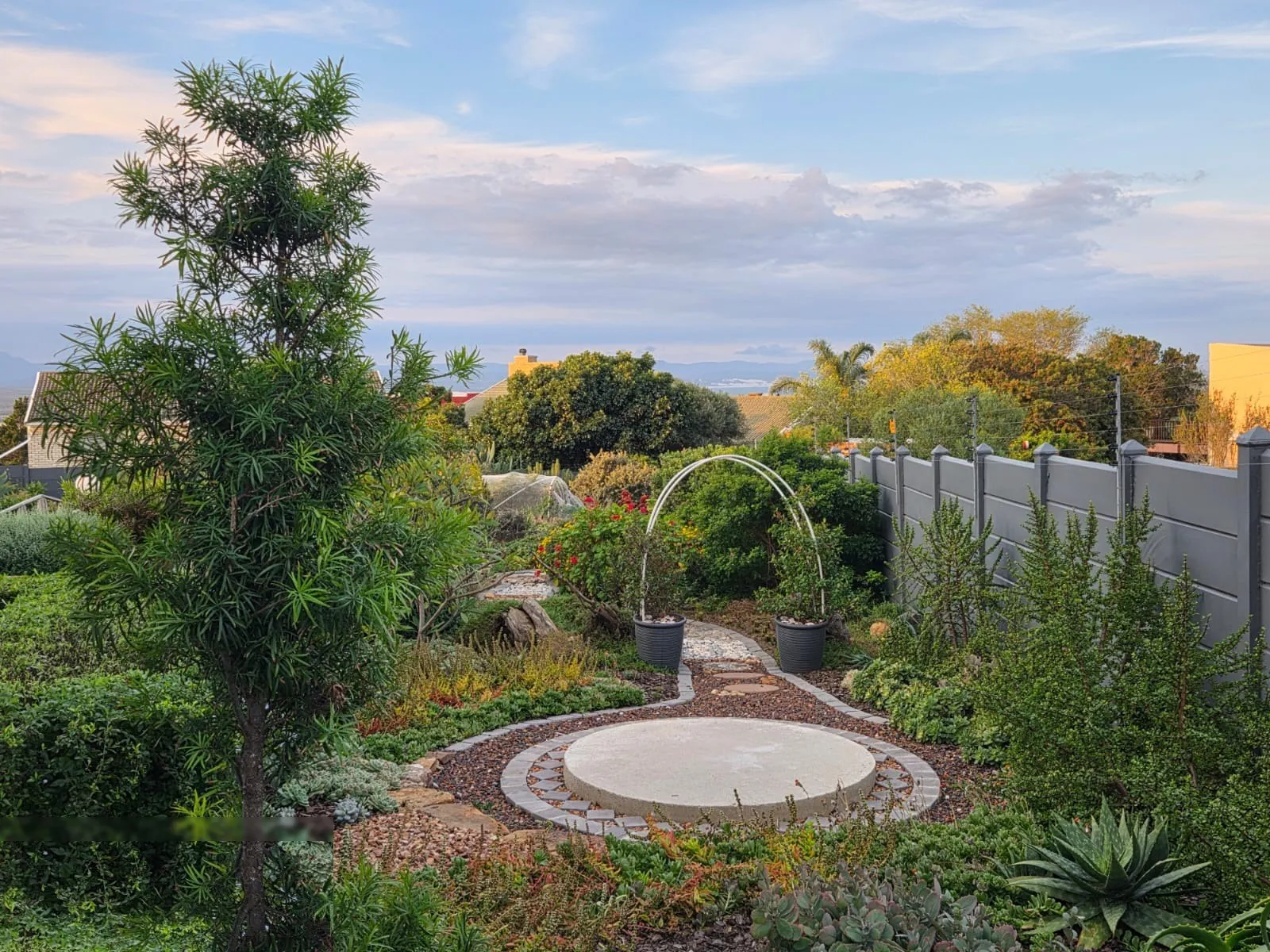
Creating a low-maintenance coastal garden in Jeffreys Bay with indigenous plants
By Ben Vorbeck ·
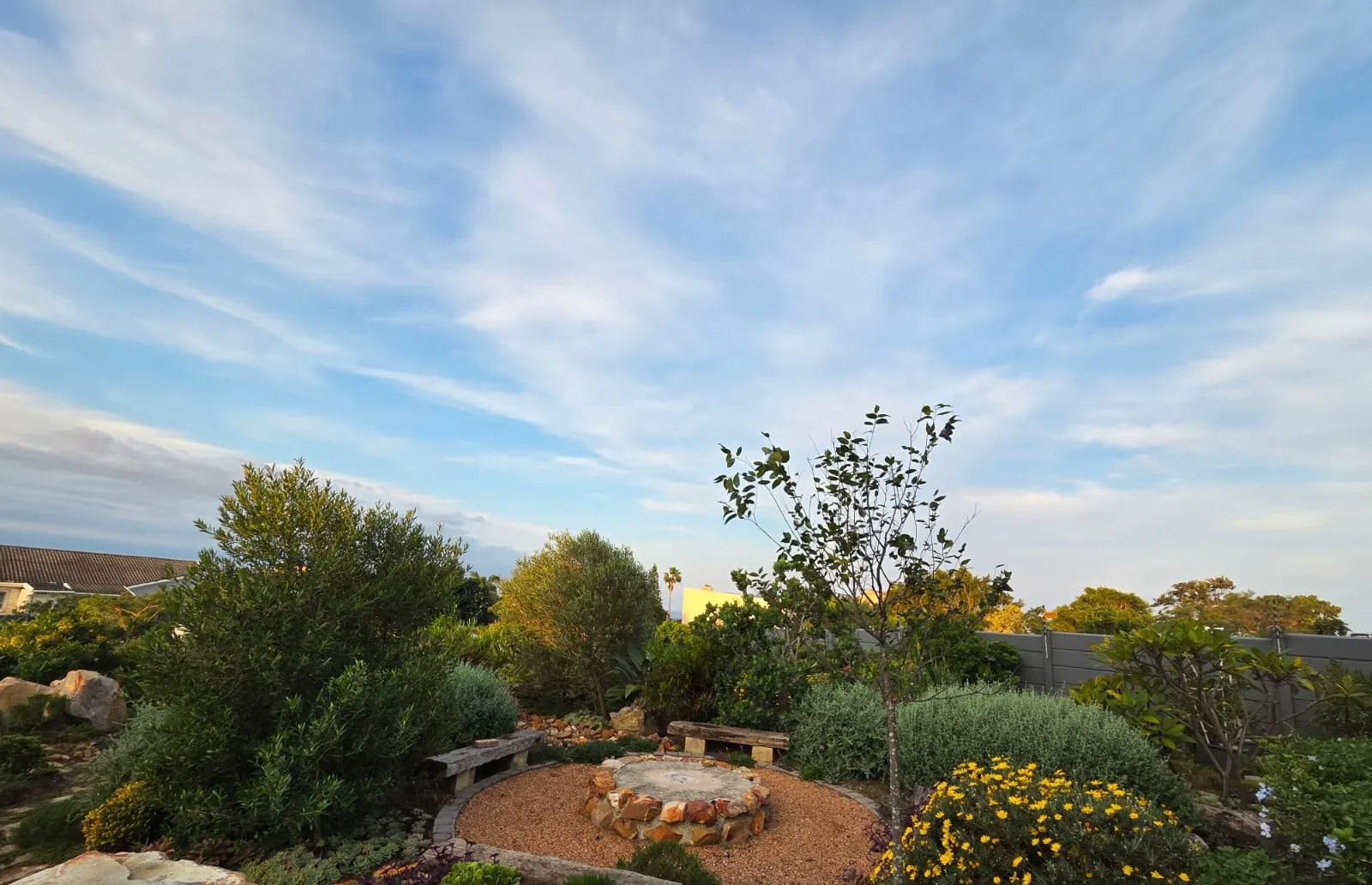
Gardening near the coast in Jeffreys Bay is not about forcing plants to survive. It is about choosing the right plants from the start and letting the environment do most of the work.
Salt-laden air, sandy soil, strong winds and long dry periods are not occasional challenges here; they are constant. If your plant choices do not match these conditions, your garden will always feel like a struggle. A well-designed coastal garden should be simple to maintain, resilient throughout the year, and rooted in plants that already belong in this environment.
Why choose indigenous coastal plants
Indigenous plants are adapted to the Eastern Cape coastline. They already know how to handle the wind, the salt and the poor soil. That means:
- Less watering
- Little to no fertiliser
- Fewer pest problems
- Better long-term survival
They also support local birdlife, insects and pollinators, which brings life to the garden without extra effort. Using indigenous plants is not just about sustainability; it is the most practical way to reduce maintenance.
Key features of a low-maintenance coastal garden
- Drought tolerance: plants that survive on little water, because coastal areas have long dry periods.
- Salt tolerance: plants must handle salt spray from the sea without damage.
- Wind resistance: strong coastal winds can break or dry out delicate plants.
- Soil adaptability: sandy, fast-draining soil is common near the coast, so plants should thrive in it.
- Pest resistance: indigenous plants often have natural defences against local pests.
Top indigenous plants for Jeffreys Bay gardens
1. Sour fig (Carpobrotus edulis)
A hardy groundcover that thrives in coastal sand. It stabilises the soil, handles salt easily and produces bright flowers. Once established, it needs almost no attention.
2. Gazania (Gazania rigens)
Low-growing and tough, with bright flowers that open in the sun. Ideal for exposed spots where other plants struggle.
3. Wild rosemary (Eriocephalus africanus)
A resilient shrub with fine foliage and a soft, natural look. It handles wind well and needs very little water.
4. African sage (Salvia africana)
A reliable coastal shrub with aromatic grey-green leaves and soft purple flowers. It thrives in sandy soil, tolerates wind and salt, and attracts bees and other pollinators. It adds structure and fragrance without adding maintenance.
5. Pig’s ear (Cotyledon orbiculata)
A succulent with thick, fleshy leaves that store water. It is very drought resistant, handles salty wind and adds interesting texture to the garden.
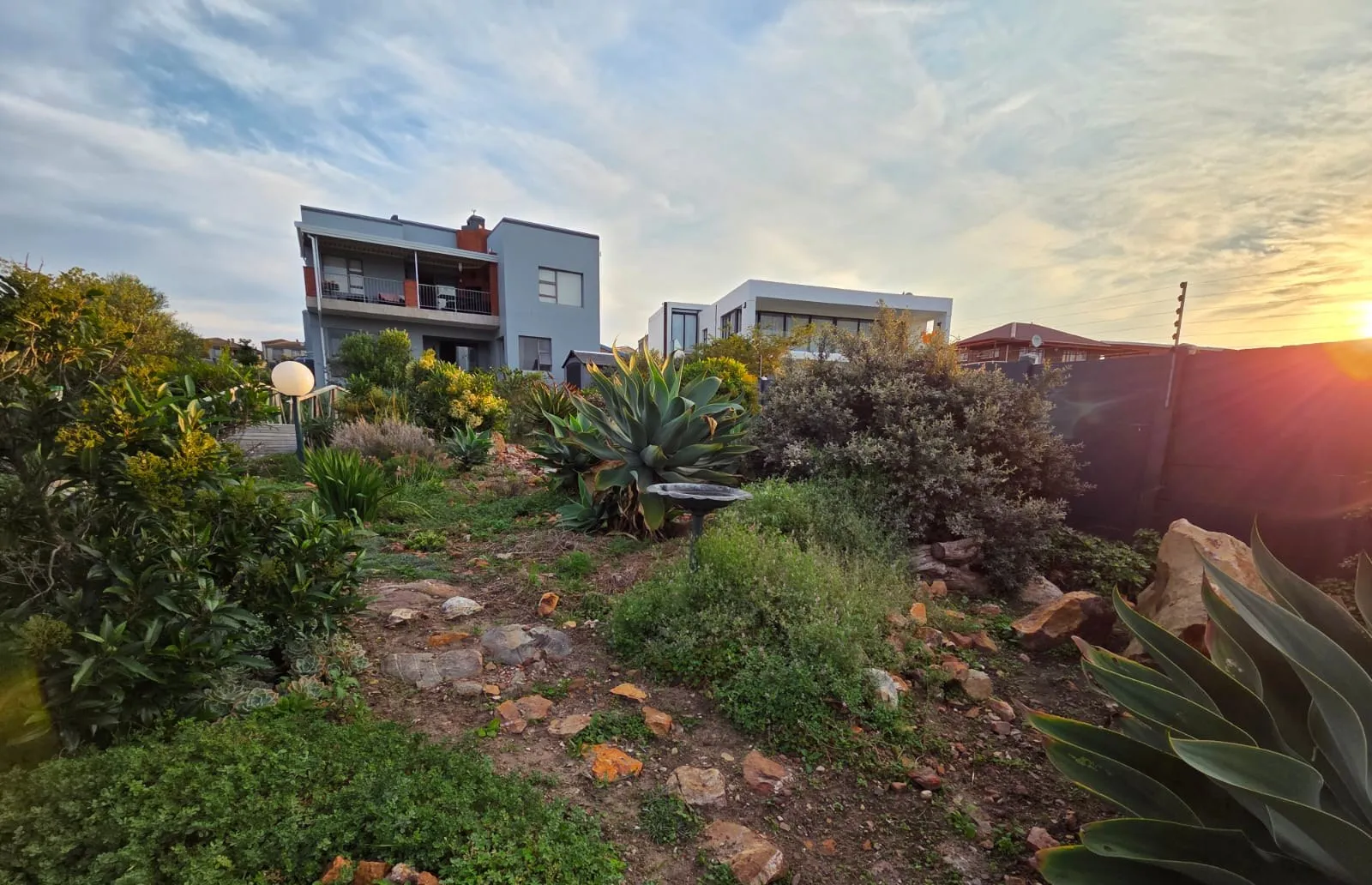
Designing your garden for easy care
- Group plants with similar water needs, so you do not overwater some and underwater others.
- Use mulch to keep the soil moist and keep weeds down.
- Choose slow-growing plants to limit pruning.
- Add natural stone or gravel paths to reduce lawn area and maintenance.
- Use raised beds or containers where you want better control of the soil.
Watering tips
Watering is often the biggest chore in a garden. Coastal plants need less of it, but young plants still need help while they establish.
- Water early in the morning or late in the afternoon to reduce evaporation.
- Use drip irrigation or soaker hoses to get water straight to the roots.
- Avoid overwatering, which can harm plants and wash nutrients away.
- Collect rainwater where you can.
Improving sandy soil
Sandy soil drains quickly but often lacks nutrients.
- Add organic matter such as compost or well-rotted manure to hold more water.
- Mulch to stop the soil drying out.
- Avoid heavy fertilisers that wash away; choose slow-release or natural options.
Protecting your garden from wind and salt
- Plant windbreaks of hardy shrubs such as wild rosemary.
- Use garden screens or fences to slow the wind.
- Put sensitive plants in sheltered spots, near walls or under trees.
- Rinse salt off leaves with fresh water now and then.
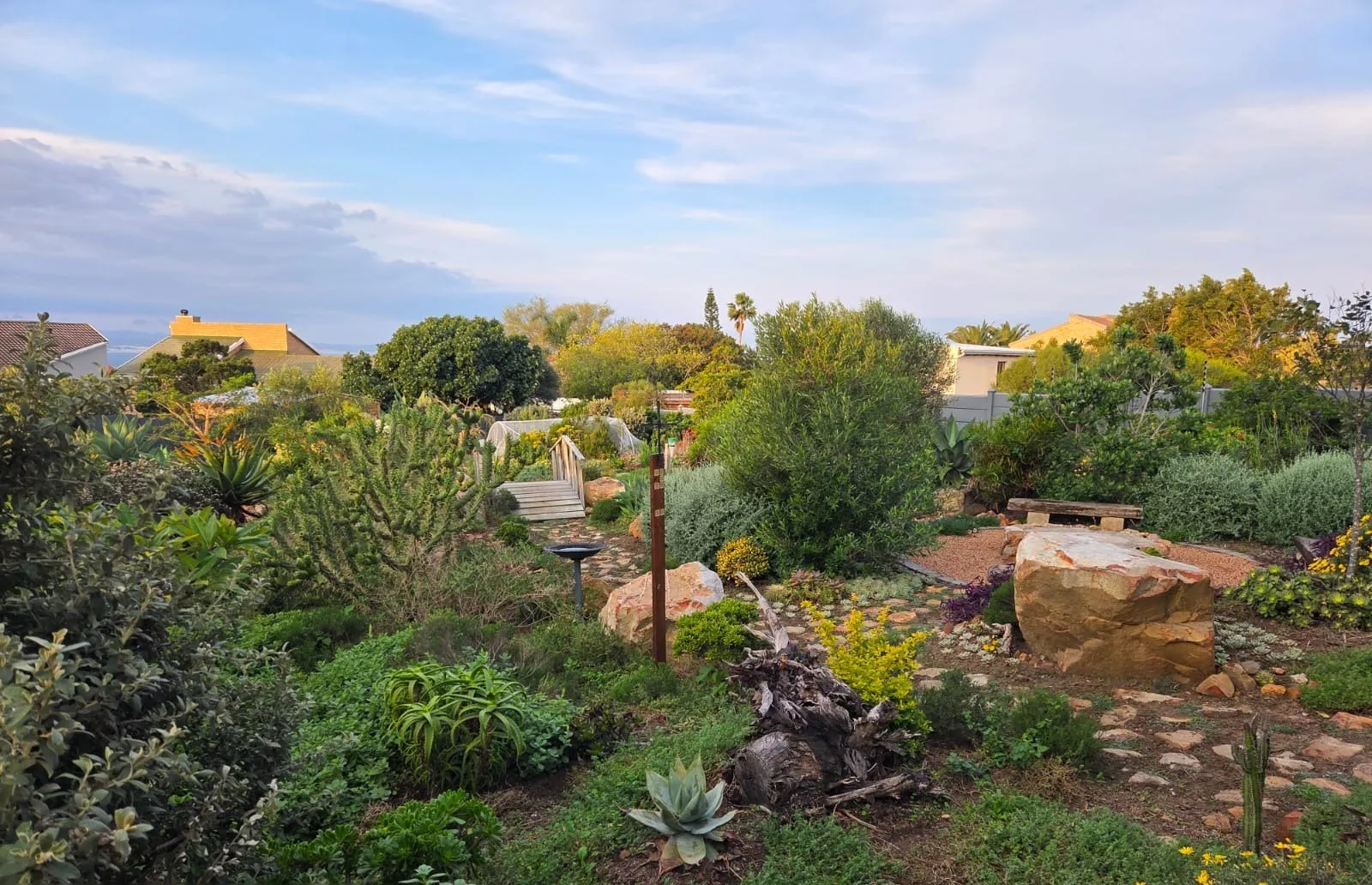
How BenTuin can help
We create and maintain gardens that suit Jeffreys Bay’s coastal conditions, and we help you choose the right indigenous plants for your property. If you would like a hand, have a look at our Coastal Garden Care and Garden Maintenance services, or request a quote.
Final thoughts
Building a low-maintenance coastal garden is about working with nature, not against it. Start small, plan carefully, and choose indigenous plants that thrive by the sea. Your garden will reward you with colour, life and peace of mind.